Free CDL Road Signs Practice Test 2026
Practice every US road sign on the CDL exam for free. See what each sign means, with the meaning shown in your language. No account needed.
20 quick questions on US road signs and everyday driving English. The meaning shows in your language as you go, and you do not need an account.
Regulatory signs
These tell you the law: what you must do, what you cannot do, and the limits you have to follow. They are usually white or have red on them.
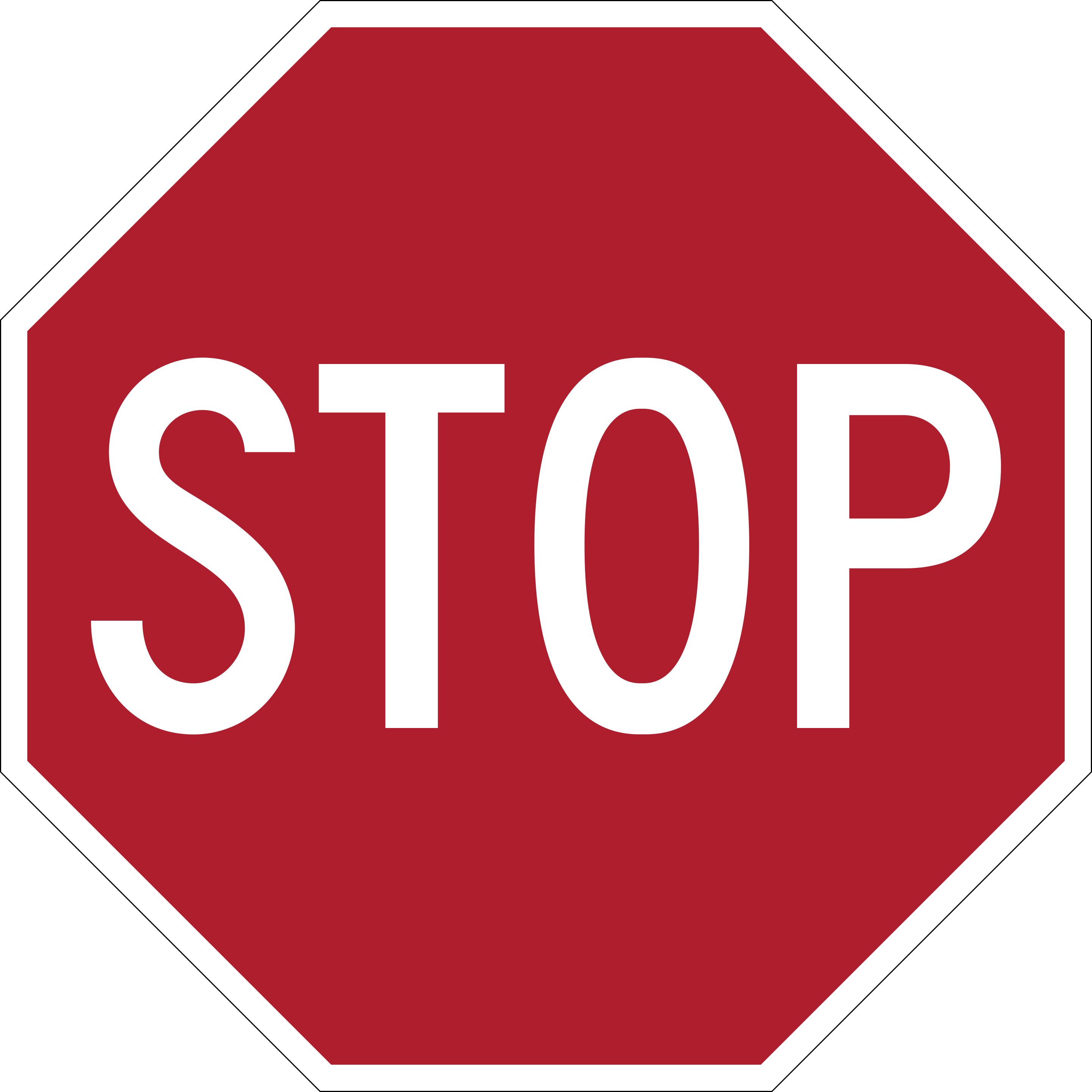
Stop
A red octagon always means come to a full stop, then proceed when it is safe.
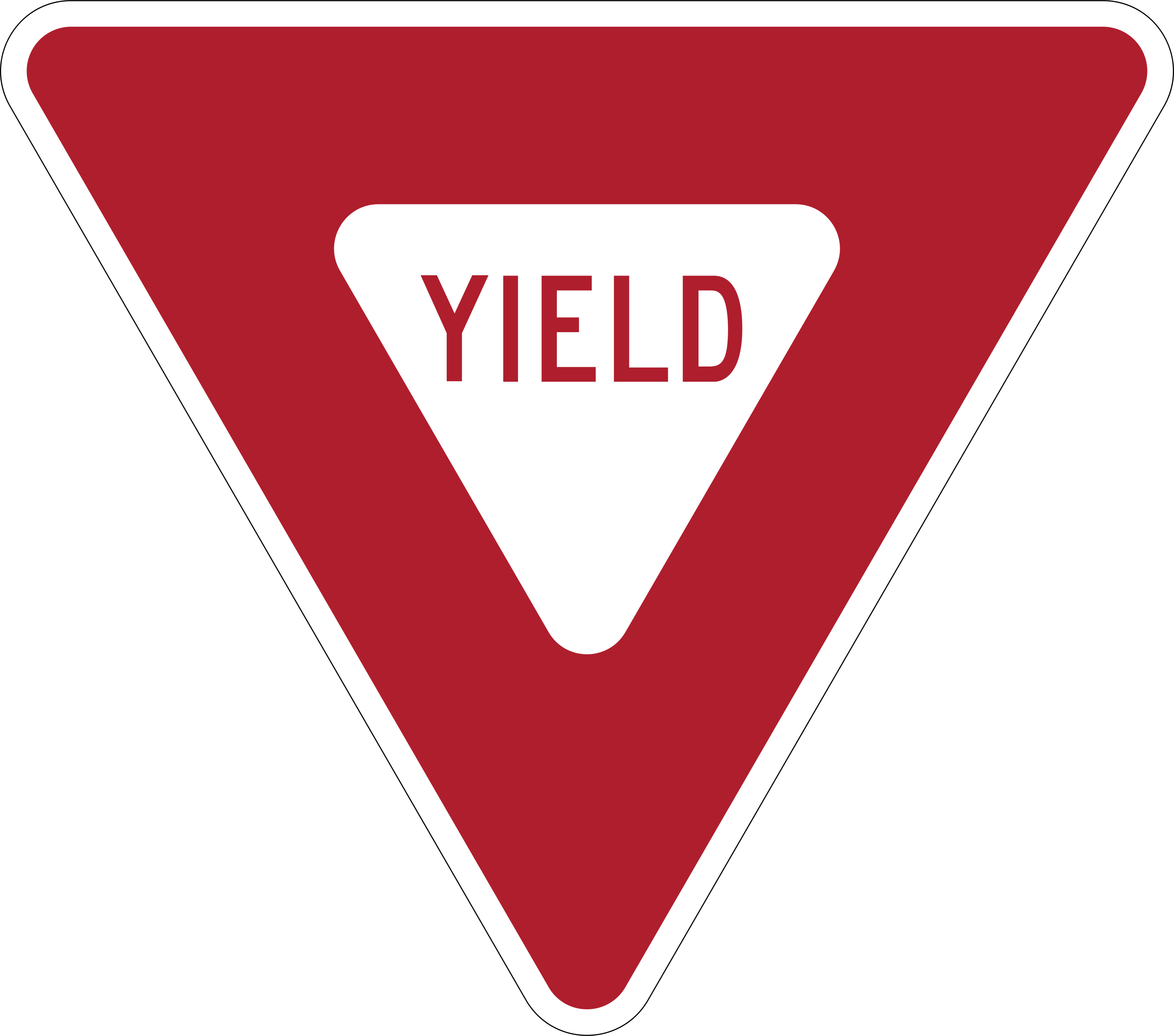
Yield
Slow down and give the right of way to traffic and pedestrians before you go.
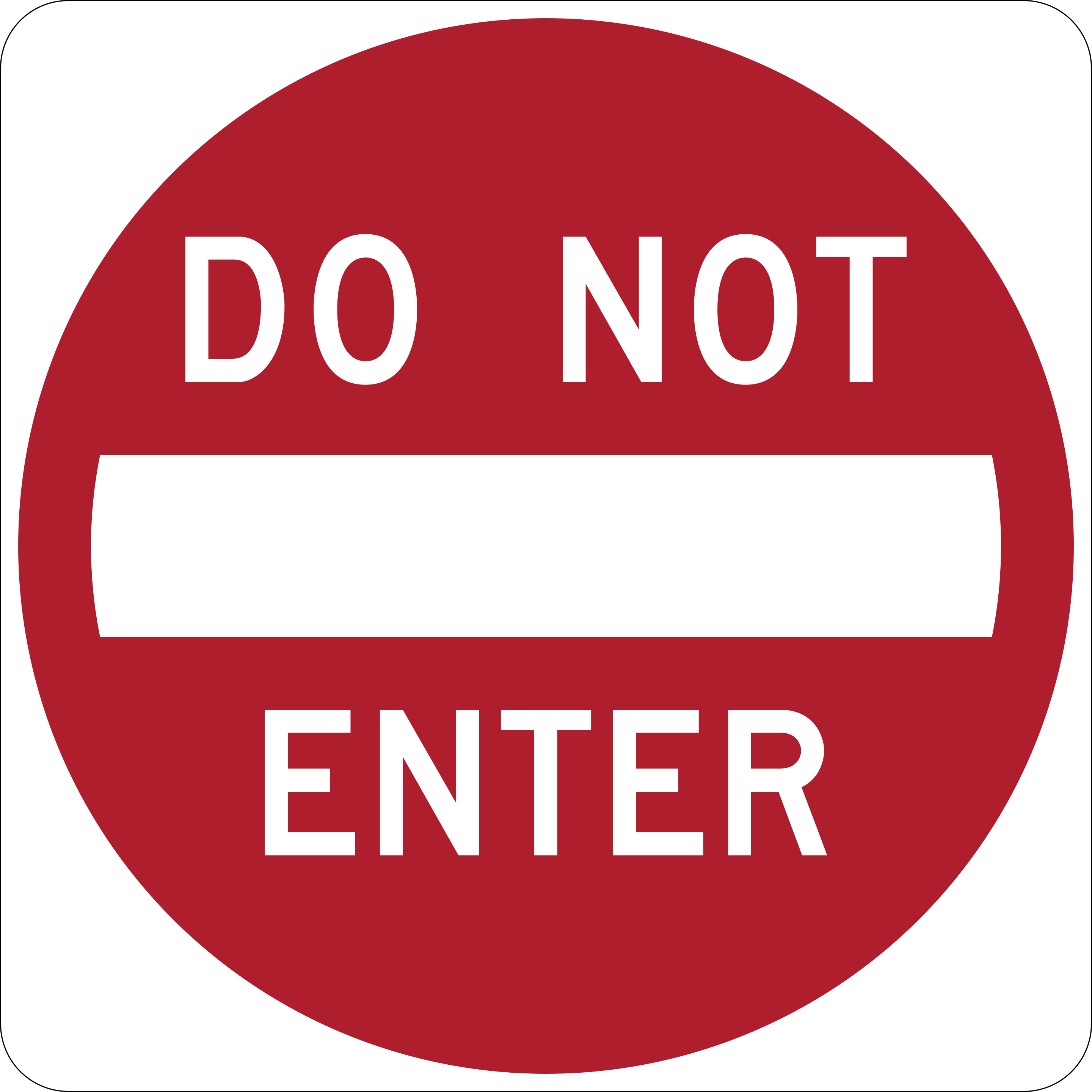
Do not enter
You cannot drive in. It marks the wrong way on a one way road or ramp.
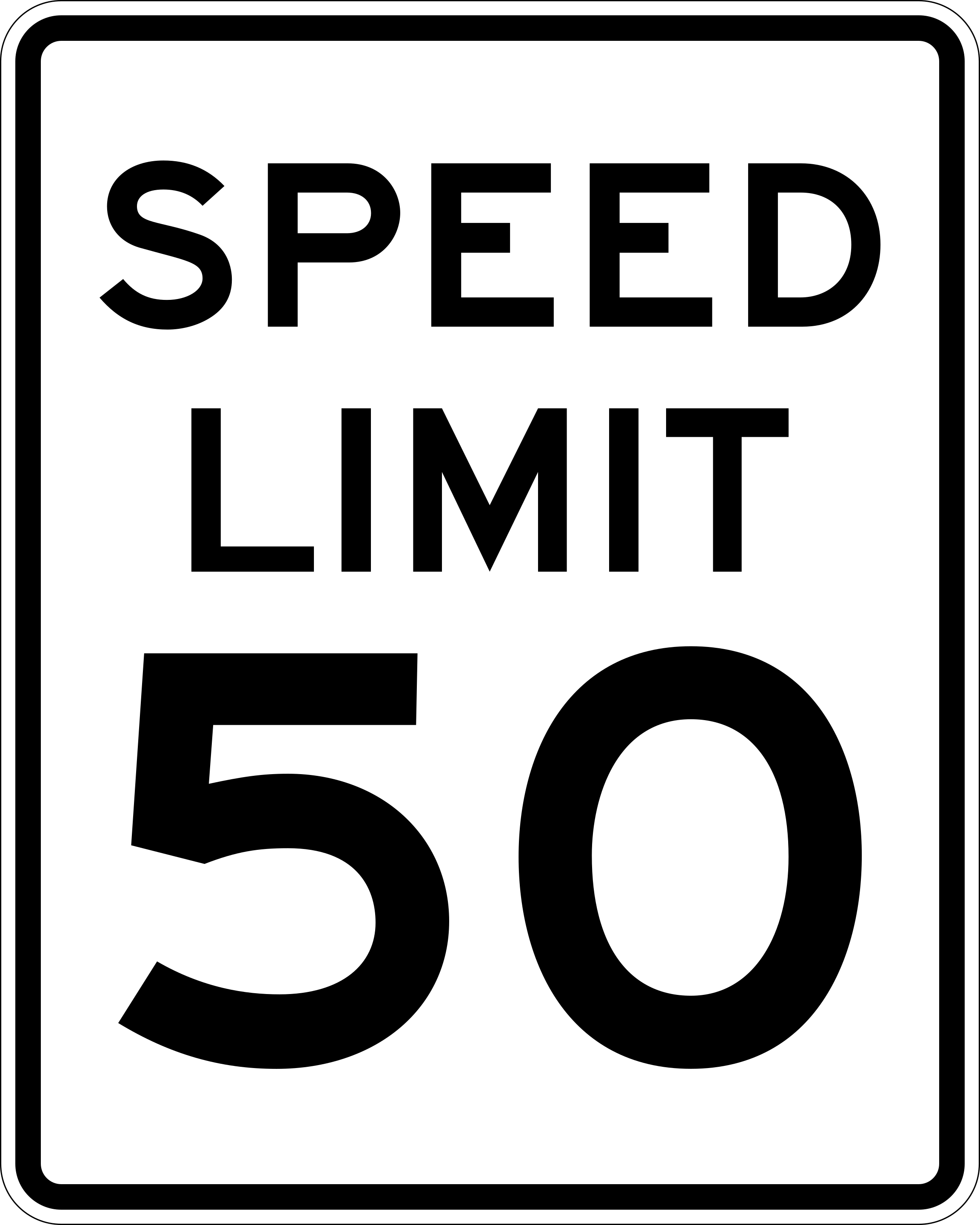
Maximum speed limit
A white rectangle with a number is the legal top speed for that road in good conditions.
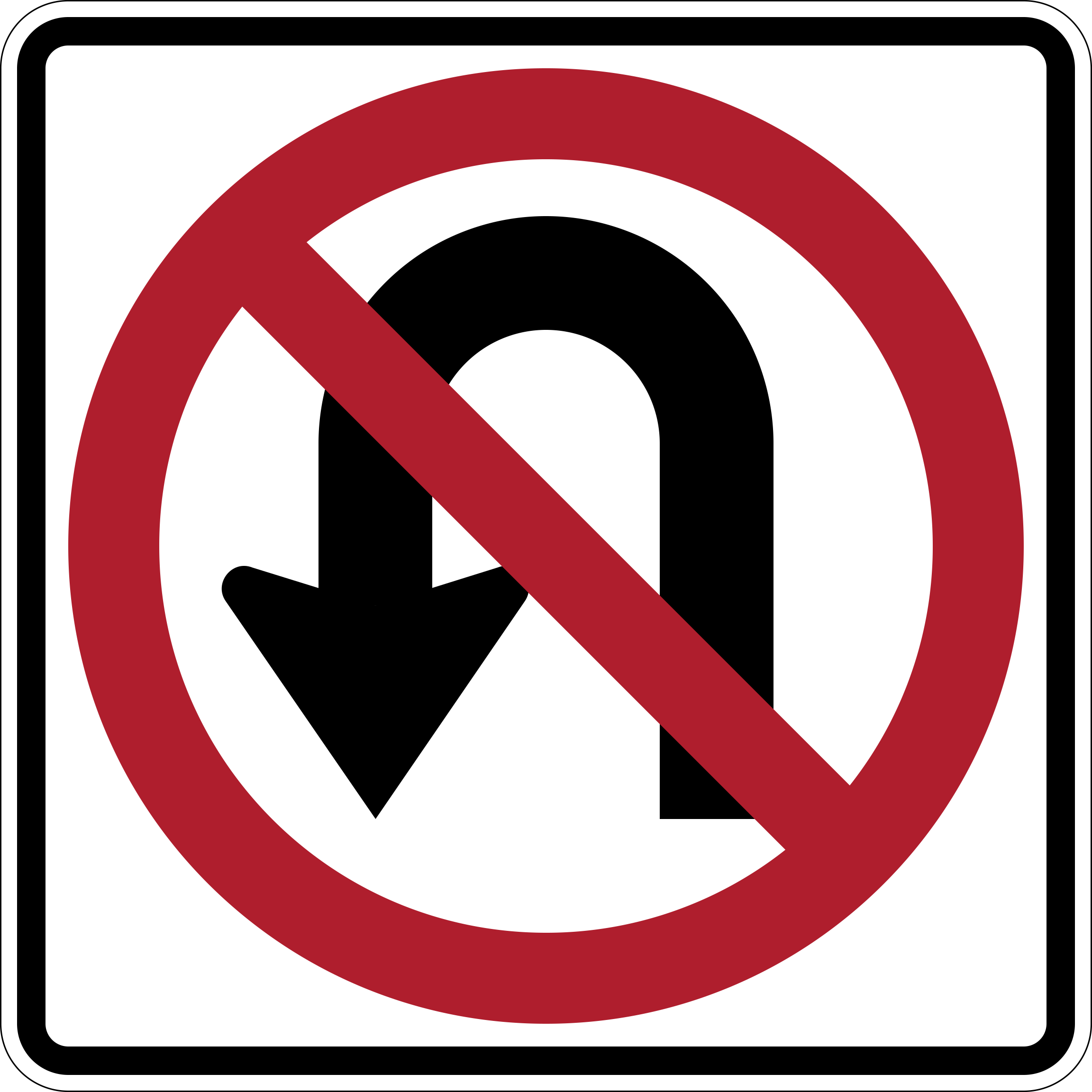
No U-turn
You may not turn around to go the opposite direction here.
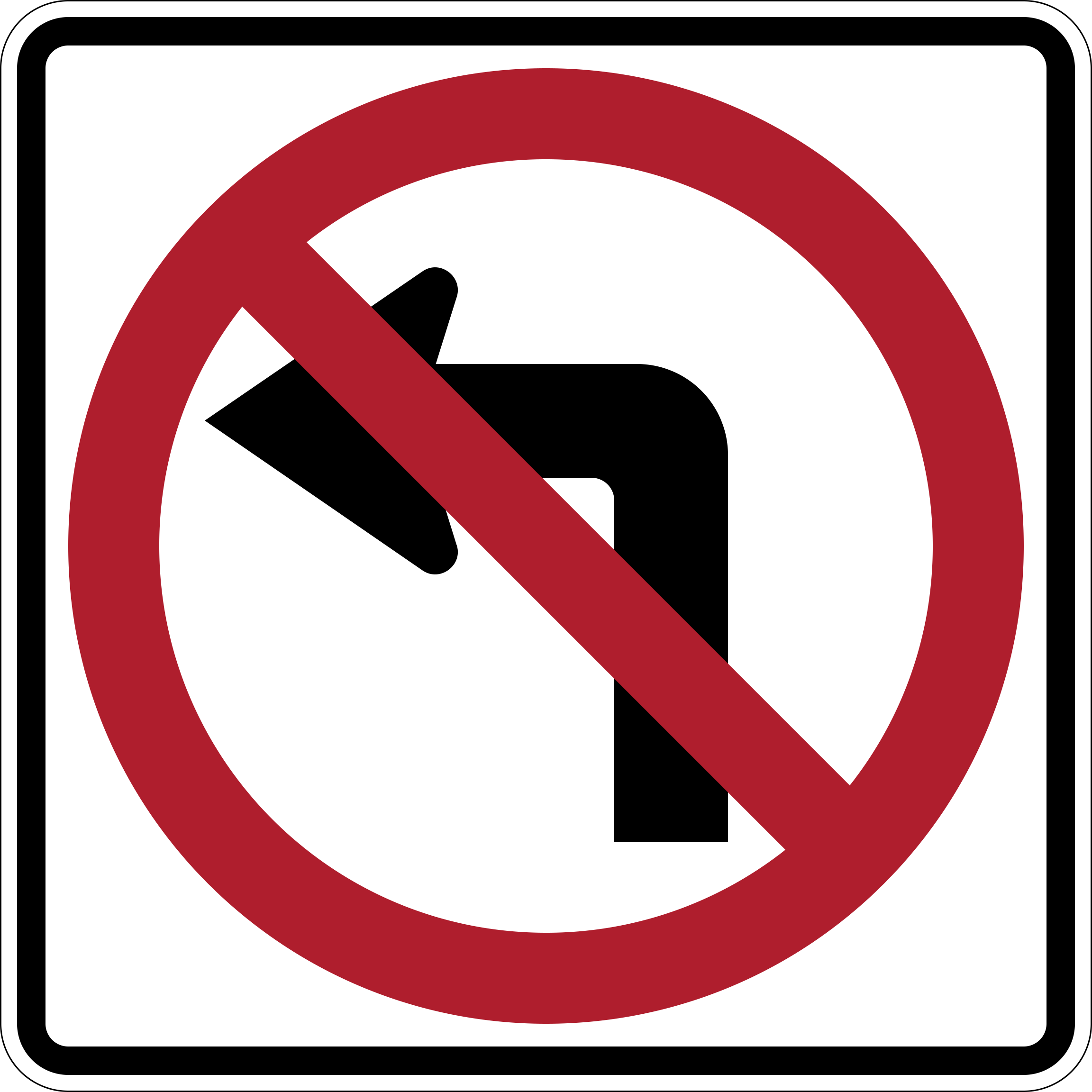
No left turn
Turning left at this intersection or driveway is not allowed.
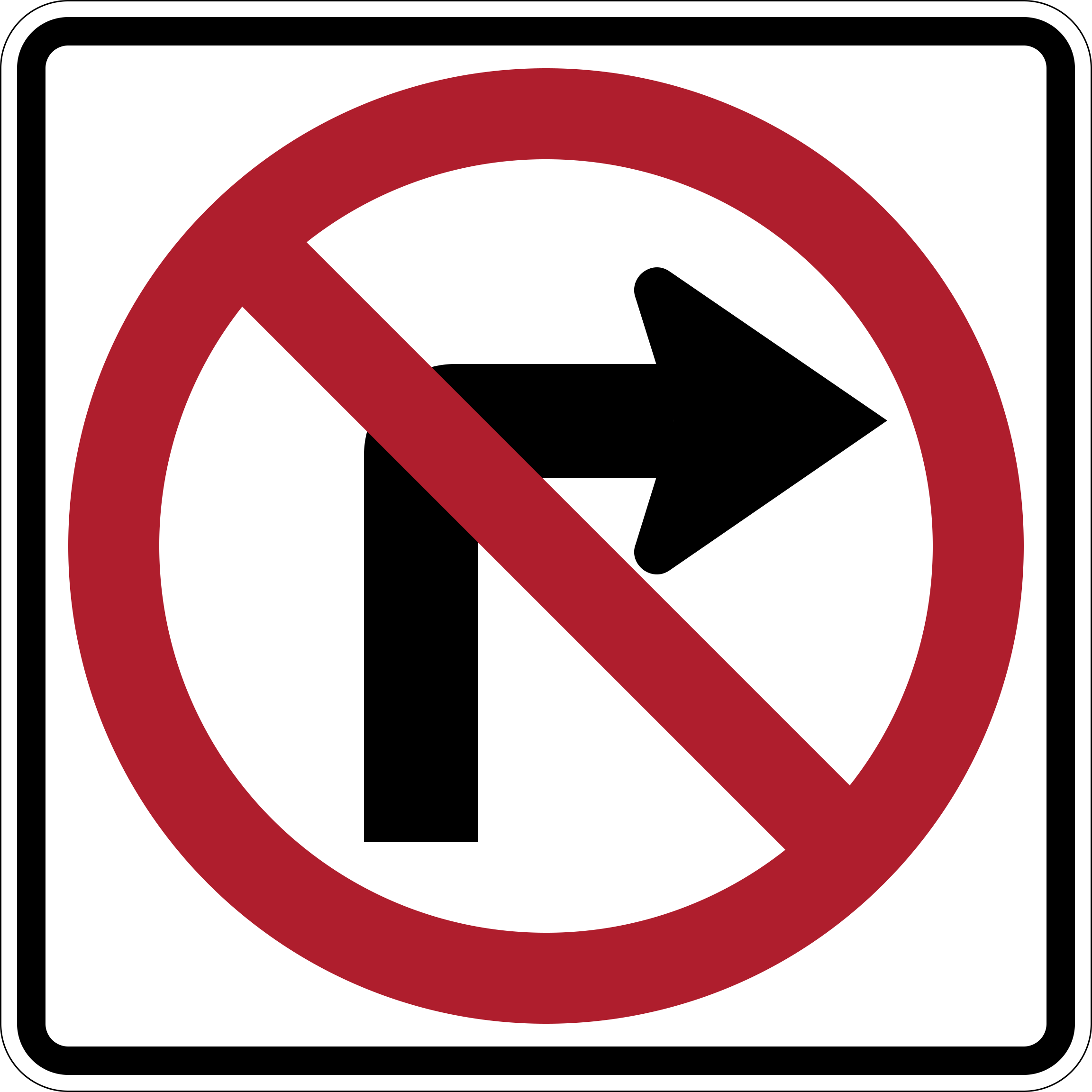
No right turn
Turning right at this location is not permitted.
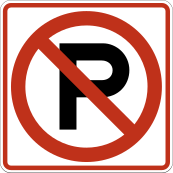
No parking
You may not park here. Stopping briefly to load or drop passengers may still be allowed - check local rules.
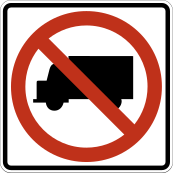
No trucks
Trucks are not allowed on this road. This often applies to large commercial vehicles above a set weight.
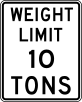
Weight limit
Your vehicle and its load must not exceed the posted weight. If you do, you may damage the road or bridge.
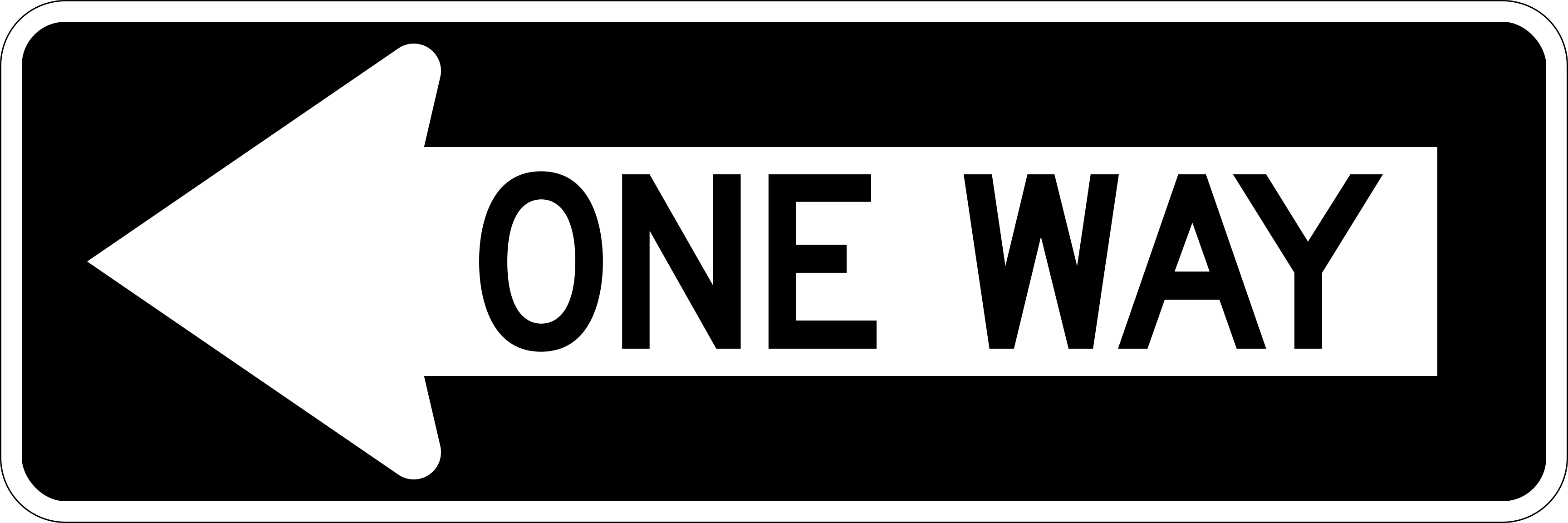
One way
Traffic travels in one direction only. All vehicles must move in the direction the arrow points.
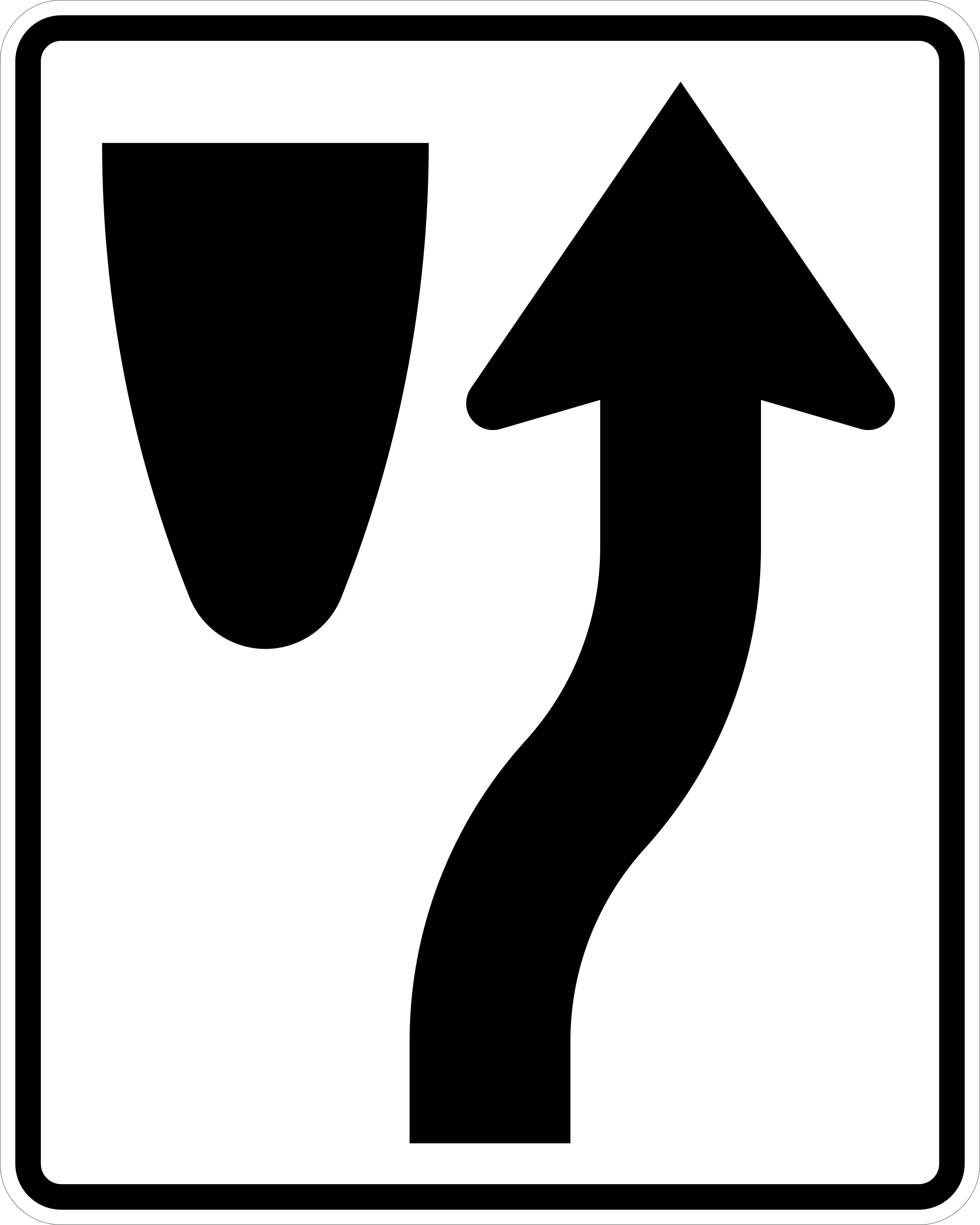
Keep right
Stay to the right of an obstruction, median, or island. Used near divided highways and traffic islands.
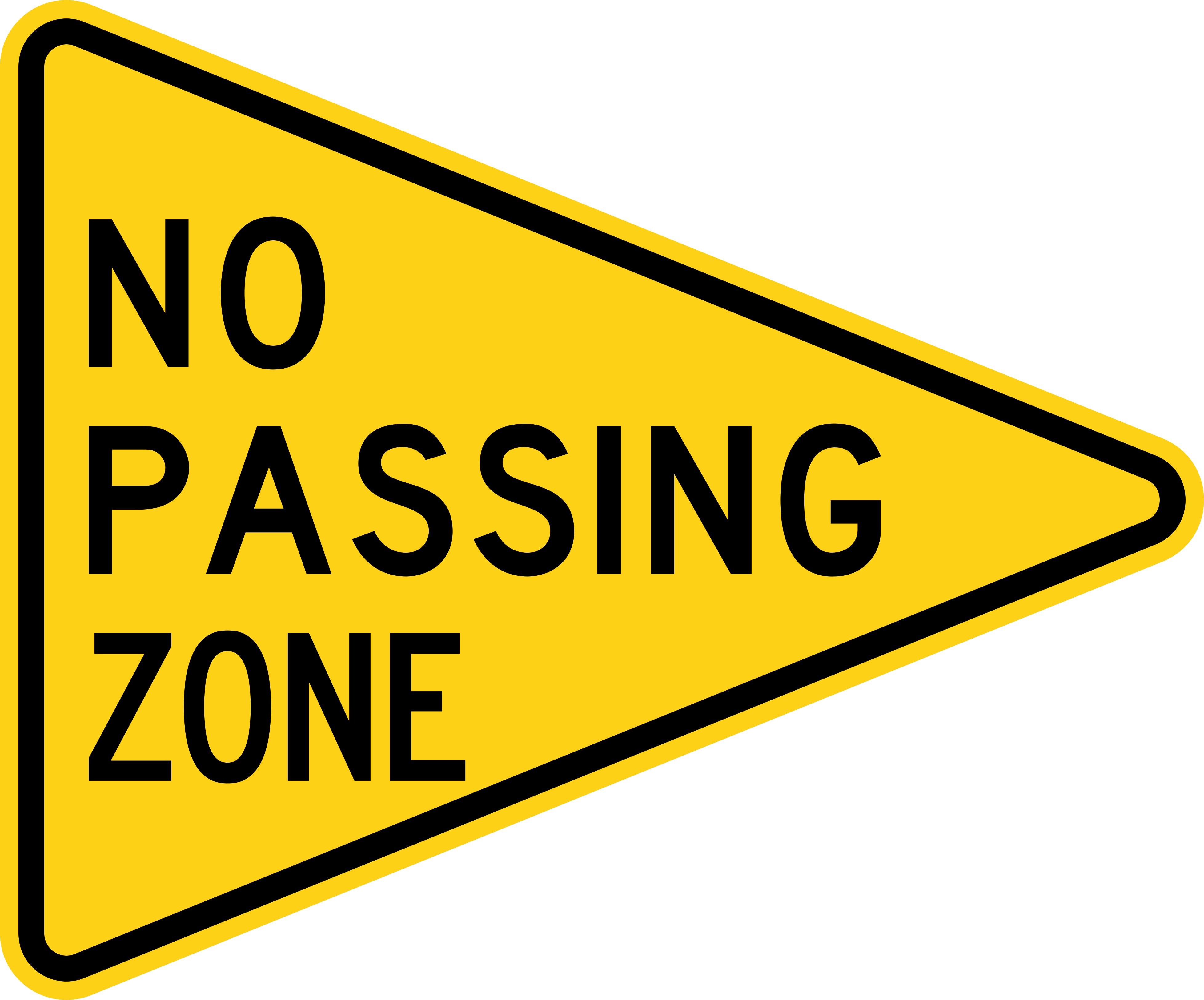
No passing zone
You must not pass other vehicles here. The road ahead is too dangerous for passing.

Low clearance
The bridge or overpass ahead has a limited height. If your vehicle is taller than the posted number, do not proceed.
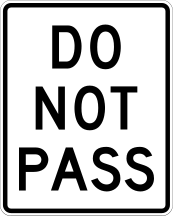
Do not pass
You may not pass other vehicles from this point until a Pass With Care sign or the rule ends.
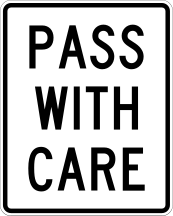
Pass with care
A no-passing zone has ended. You may pass when it is safe to do so, but check for oncoming traffic first.
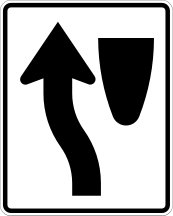
Keep left
Stay to the left of an obstruction, median, or island. Used where traffic must pass on the left side.
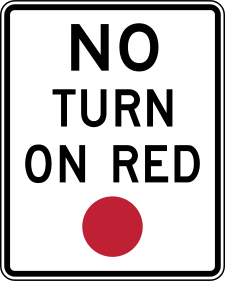
No turn on red
You may not turn while the light is red. Wait for a green signal before turning.
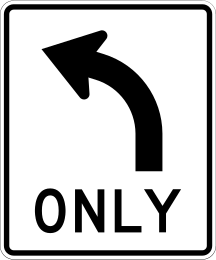
Left turn only
Traffic in this lane must turn left. You cannot go straight or turn right from here.
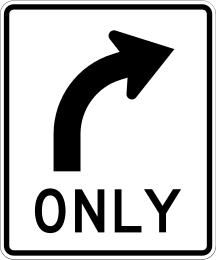
Right turn only
Traffic in this lane must turn right. You cannot go straight or turn left from here.
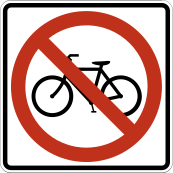
No bicycles
Bicycles are not allowed on this road. Such roads include freeways where bikes are prohibited.
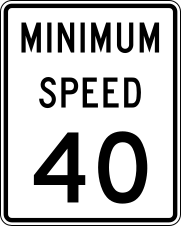
Minimum speed limit
You must drive at least this fast in good conditions. Driving slower can block traffic and is not allowed.
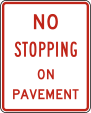
No stopping
You may not stop here for any reason except to obey a traffic control or to avoid a collision.
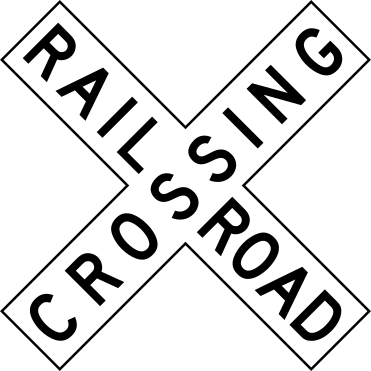
Railroad crossing
The white X-shaped crossbuck marks the railroad track itself. Yield to any approaching train and never stop on the tracks.
Warning signs
Mostly yellow diamonds. They warn you about what is ahead, like a curve, a hill, or a crossing, so you can slow down and get ready.

Merging traffic ahead
Traffic from another road is about to join yours. Be ready to adjust your speed or lane.

Slippery when wet
The road can be slick in rain or ice. Slow down and leave extra following distance.

Steep downgrade ahead
A long downhill is coming. Use a low gear and do not ride the brakes.

Railroad crossing ahead
A railroad track crosses the road ahead. Slow down, look both ways, and be ready to stop for a train.

Pedestrian crossing
People may be crossing the road here. Watch for pedestrians and yield to anyone in the crosswalk.

Divided highway begins
The road ahead splits into two one-way sections separated by a median. Keep right.

Divided highway ends
The divided road is about to become a two-way road with oncoming traffic. Stay alert.

Lane ends - merge left
Your lane is ending. You must merge into the left lane before the road narrows.
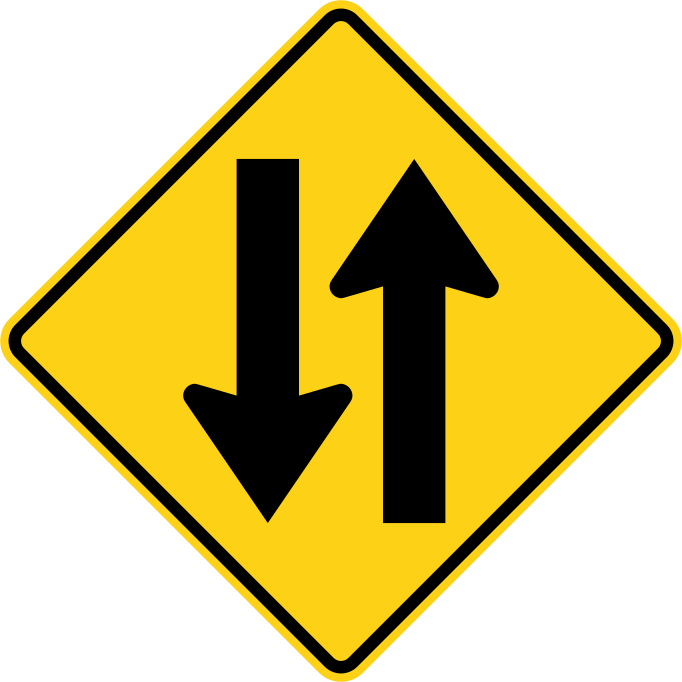
Two-way traffic ahead
You are leaving a one-way road and entering a two-way road. Watch for oncoming traffic.
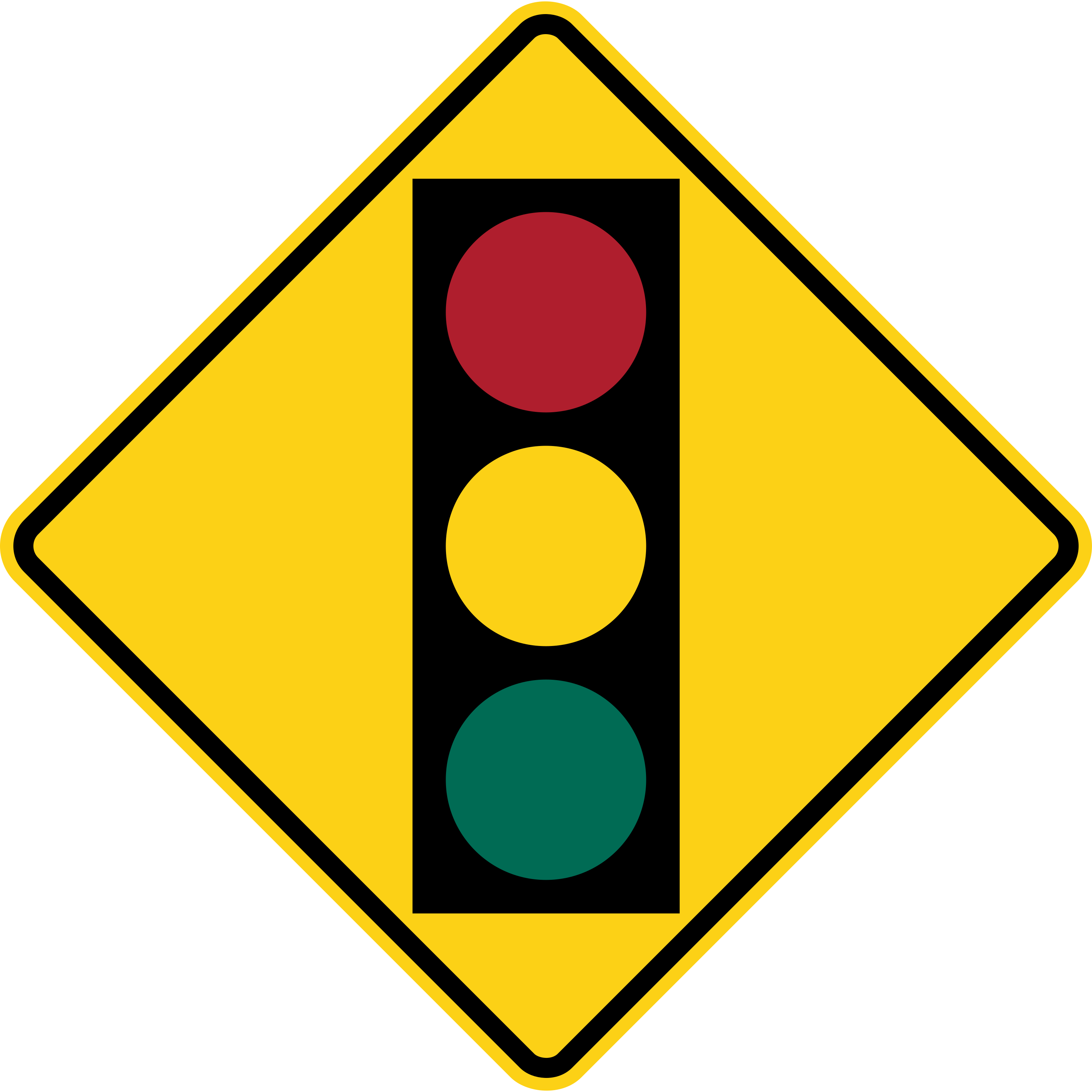
Traffic signal ahead
A traffic light is coming up. Be ready to stop if the light is red or yellow.

Stop sign ahead
A stop sign is coming up. Begin slowing down so you can come to a full stop at the sign.

Added lane ahead
A new lane is being added from a ramp. Entering traffic does not have to merge right away.

Winding road ahead
The road ahead has several curves. Slow down, stay in your lane, and do not pass.

Hill with steep grade
A steep hill is ahead. Trucks must check their brakes and shift to a low gear before starting down.

Soft shoulder
The shoulder is unpaved or loose. If you drive onto it, your vehicle may sink or become difficult to control.

School zone
Children may be crossing or near the road. Slow to the posted school zone speed and watch carefully.

Narrow bridge ahead
The bridge is narrower than the road. Allow oncoming traffic to pass before entering if there is not room for two vehicles.

Deer crossing area
Deer and other animals often cross this road. Slow down, especially at dawn and dusk.

Truck rollover warning
Large vehicles can tip over on this curve or exit ramp if taken too fast. Slow well below the posted advisory speed.

Curve to the right ahead
The road ahead bends gently to the right. Slow down and stay in your lane through the curve.

Curve to the left ahead
The road ahead bends gently to the left. Reduce speed before the curve, not during it.

Reverse turn ahead
The road turns one way and then sharply back the other way. Slow down and be ready for both turns.

Sharp change in direction
A chevron sign is placed on a sharp curve to show the direction the road turns. Follow the arrows around the bend.

Crossroad ahead
Another road crosses yours ahead. Watch for traffic entering or crossing from both sides.

Side road ahead on the right
A side road joins your road from the right. Watch for vehicles entering or pulling out from that road.

T-intersection ahead
Your road ends ahead at another road. You must turn left or right; be ready to stop or yield.

Roundabout ahead
A circular intersection is ahead. Slow down and yield to traffic already in the roundabout before entering.

Yield sign ahead
A yield sign is coming up. Be ready to slow down and give the right of way to other traffic.

Bump in the road ahead
There is a raised bump in the road ahead. Slow down so your vehicle and cargo are not jolted.

Dip in the road ahead
There is a low place or dip in the road ahead. Slow down; long vehicles can scrape or bottom out.
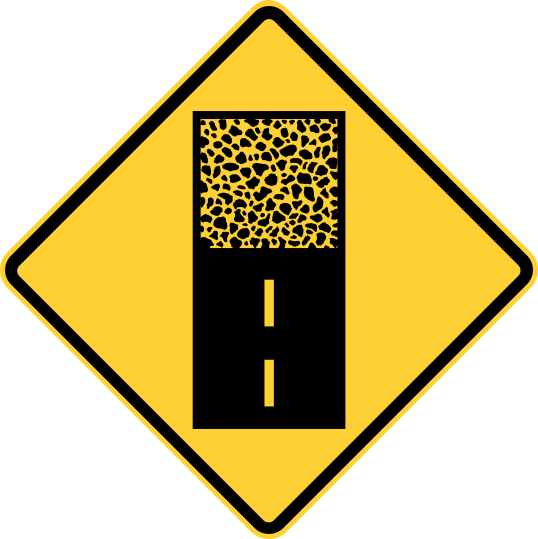
Pavement ends ahead
The paved road ends ahead and becomes gravel or dirt. Slow down because traction will be lower.

Bicycle crossing
Bicycles may cross or share the road ahead. Watch for riders and give them room.

Cattle crossing
Cattle or other livestock may be on or crossing the road. Slow down and be ready to stop.
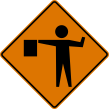
Flagger ahead
A flagger is directing traffic in a work zone ahead. Obey the flagger's signals, which override signs and signals.
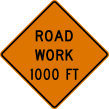
Road work ahead
Construction or maintenance work is ahead. Slow down, watch for workers and equipment, and obey lower speed limits.

Dead end
The road ahead ends and does not connect to another road. You will have to turn around.

No outlet
The road or network of roads ahead has no way through. You must come back the way you entered.
Guide signs
These help you find your way: routes, exits, rest areas, services, and distances. They are often green or blue.
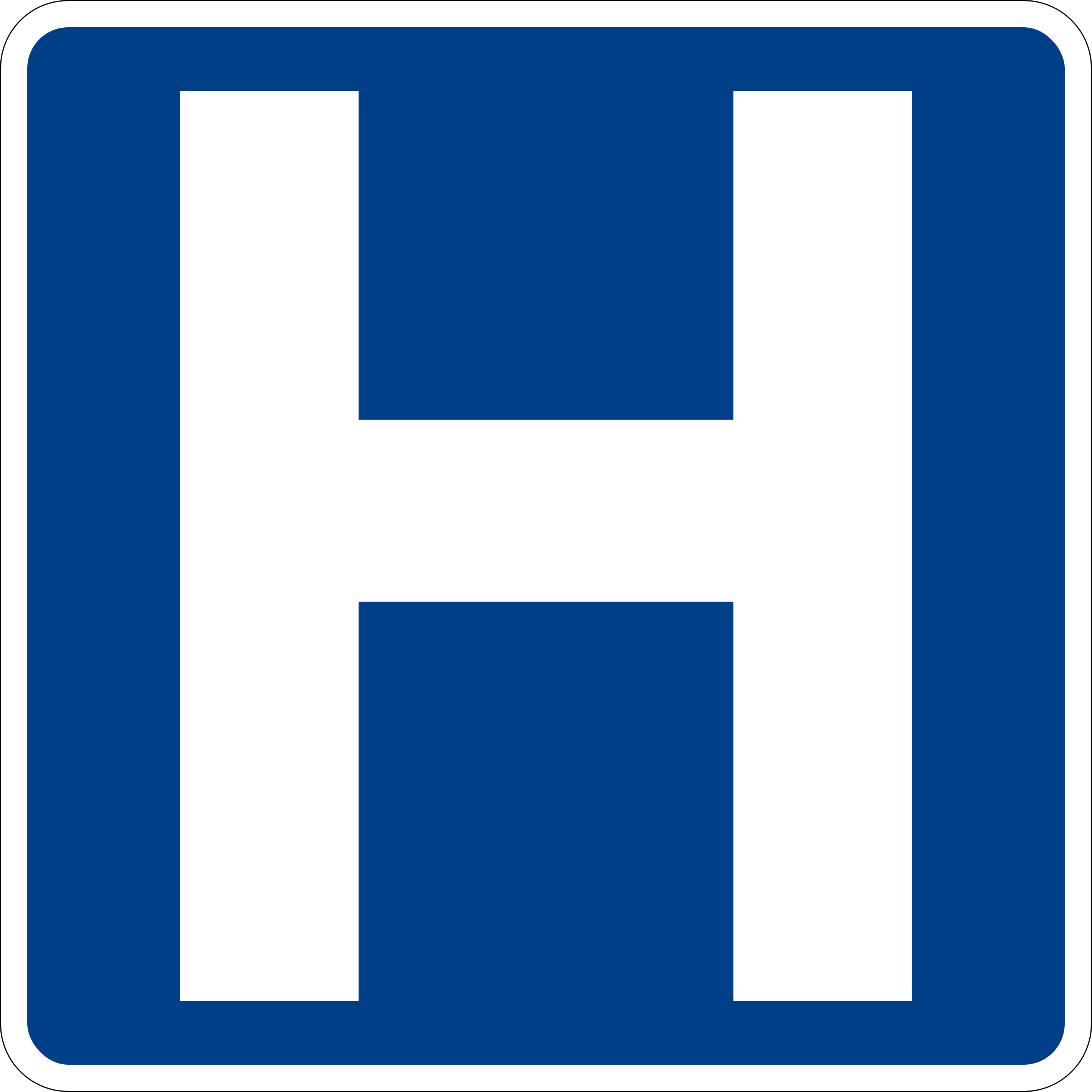
Hospital ahead
A hospital with emergency services is near this exit or intersection. The H symbol marks the route.
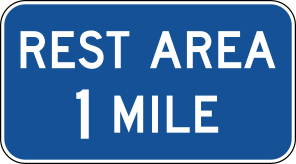
Rest area ahead
A rest area with restrooms and parking is coming up. Drivers who feel drowsy should stop and rest.

Truck route
This road is designated for commercial trucks. Trucks may be required to use this route in some jurisdictions.
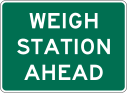
Weigh station ahead
All commercial vehicles must pull in to the weigh station unless a sign or light says they may bypass.

Detour
The normal route is blocked. Follow detour signs to reach your destination by an alternate path.
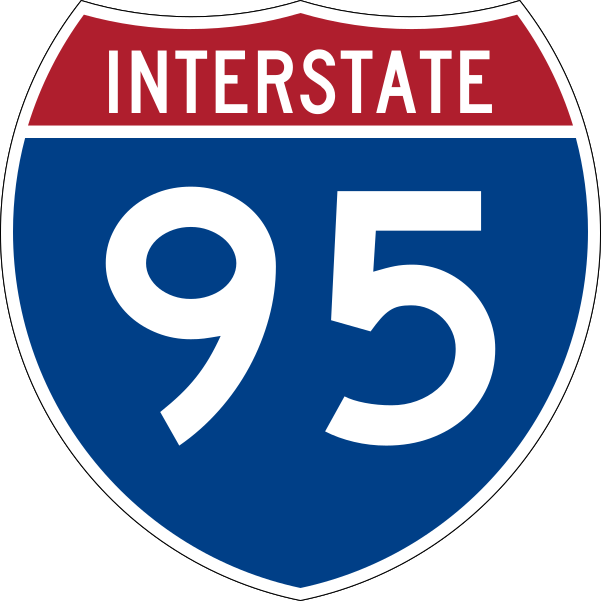
Interstate highway marker
The blue and red shield shows an Interstate highway number. Even numbers run east-west; odd numbers run north-south.
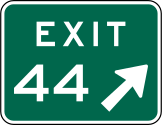
Highway exit
This is where you leave the highway. Move to the right lane early and follow the ramp speed advisory.

Food service at next exit
A food service like a restaurant or fast food is available at the next exit. A blue sign with a fork and knife or a brand logo marks it.

Fuel at next exit
A gas station or fuel stop is available at the next exit. A blue sign with a gas pump marks it.
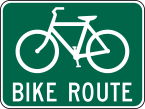
Bike route
This road is a designated bicycle route. Expect to share the road with bicyclists and watch for them.
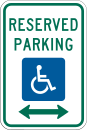
Accessible parking
This parking space is reserved for vehicles with a disability permit or plate. Do not park here without one.
Common questions
What road signs are on the CDL test?
The CDL exam covers the standard US signs: regulatory signs, warning signs, and guide signs. This page lets you practice all of them.
How are road signs grouped?
By purpose. Regulatory signs give you the law, warning signs tell you what is ahead, and guide signs help you find your way.
Is this practice free?
Yes. Practice every sign for free, with the meaning shown in your language and no account required.
Want the full set with hundreds more questions and your progress saved?
Create a free account